


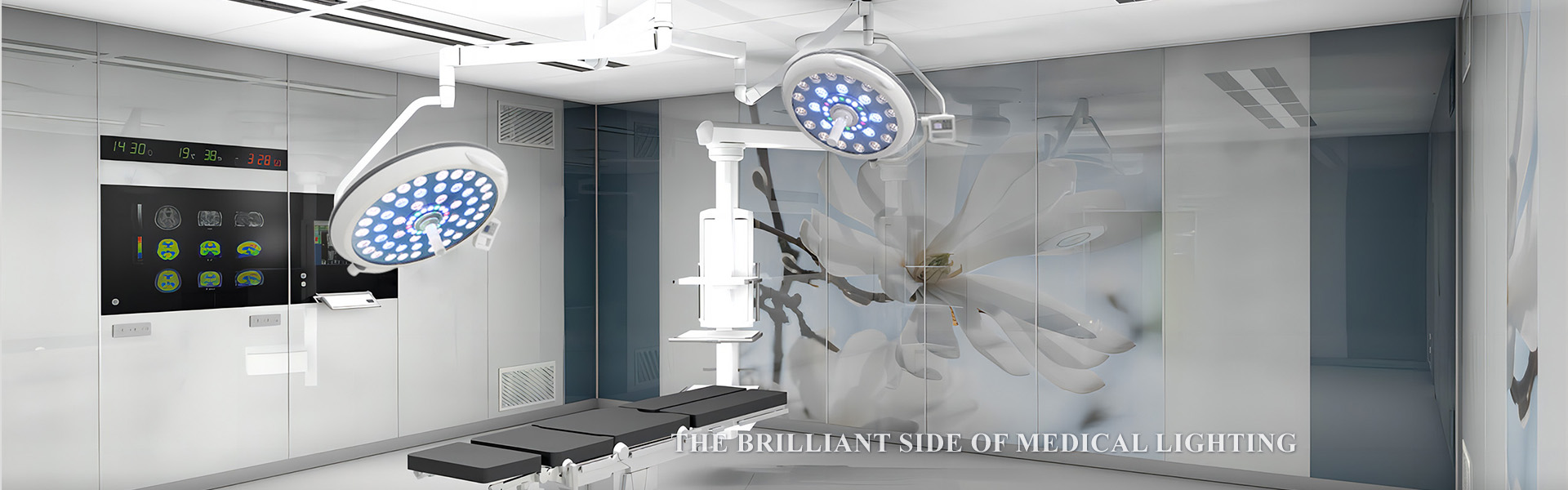
Function and characteristics of surgical shadowless lamp
High-brightness illumination: Surgical shadowless lamp can provide high-brightness illumination to ensure that the operation area is fully illuminated, so that doctors can clearly see the details of the operation. Good color temperature: Surgical shadowless lamps usually have a color temperature close to natural light, enabling doctors to accurately identify tissue colors and subtle hue changes. Adjustable lighting intensity: Surgical shadowless lamps usually have the function of adjustable lighting intensity to meet different surgical needs and reduce eye fatigue. Easy to operate: The switch and dimming control of the surgical shadowless lamp are usually located on the lamp head or handle, and the doctor can operate it conveniently without interrupting the operation. No shadow: The special design of surgical shadowless lamp can reduce or eliminate the shadow of the operation area, so that the doctor can better observe the operation area. Cold light source: Surgical shadowless lamps usually use cold light source technology, which reduces heat generation and reduces the risk of tissue thermal damage during surgery. Long lifespan: The surgical shadowless lamp adopts high-quality LED light source, which has a long lifespan and reduces the frequency of replacing the light source and maintenance costs. Energy saving and environmental protection: Surgical shadowless lamps use LED light sources. Compared with traditional light bulbs, they consume less energy and generate less waste heat, which helps to reduce energy consumption and environmental pollution. Waterproof and dustproof: Surgical shadowless lights usually have a waterproof and dustproof design, which can be more clean and hygienic in the operating room environment. Adjustable lamp head angle: Surgical shadowless lamps usually have multiple adjustable lamp head joints, allowing doctors to flexibly adjust the irradiation angle to better illuminate the surgical area.
Related Products
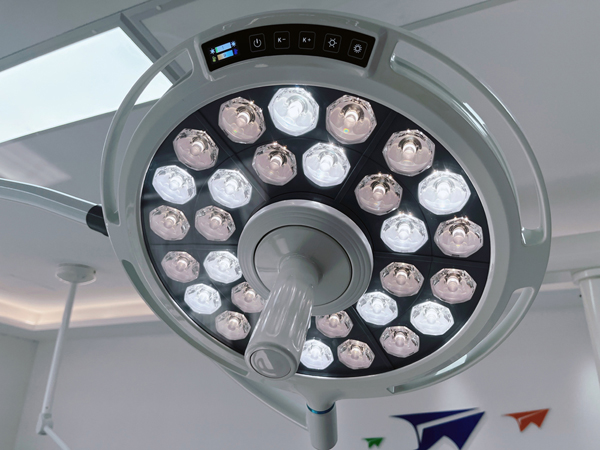
Surgical Light Medical Examination Light 30W 90V to 240V LED Medical Exam Lamp for veternary pets
Read More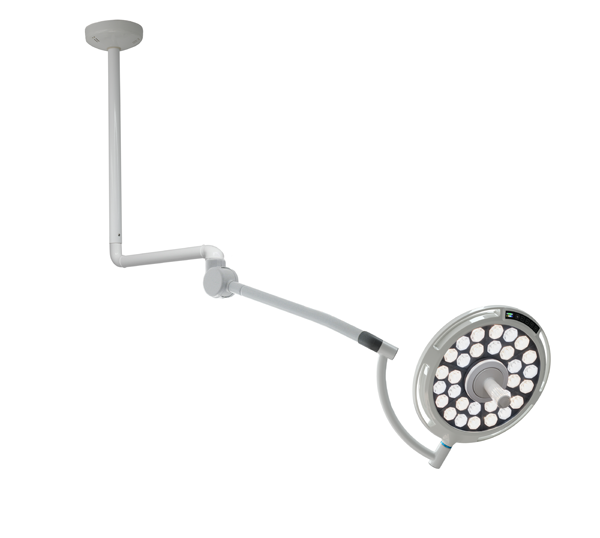
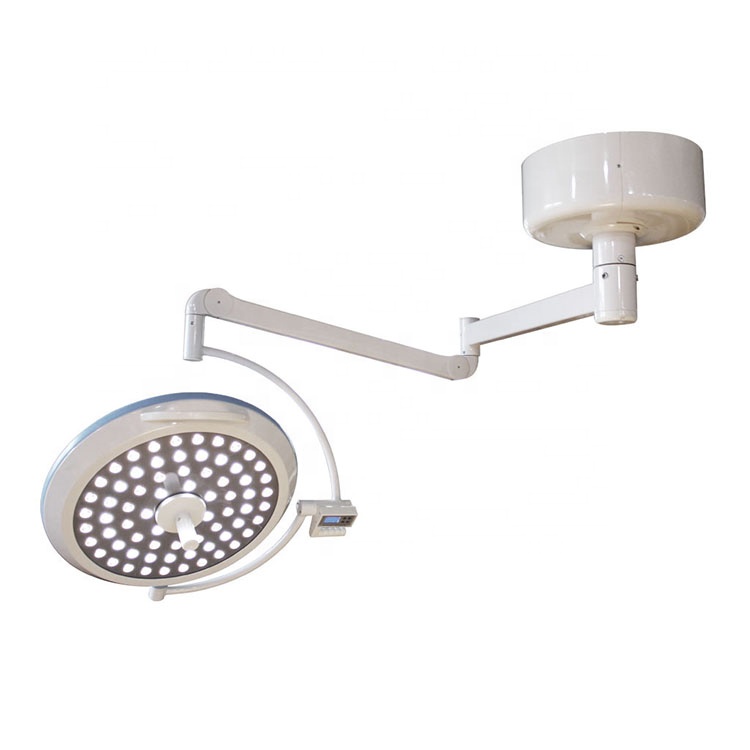

Top Selling Products


- Related Blog
- Reviews
